
Tooth Extractions in Astoria and Bayside, Queens, NY
Home » Tooth Extractions
Tooth extractions at Precision Dental in Astoria and Bayside, Queens, NY, are a smooth, comfortable process thanks to the modern techniques used by our expert periodontist and board-certified dental surgeon. Whether you are experiencing severe pain from an accident, infection, decay, or impacted teeth, our team provides gentle care, including emergency and wisdom tooth extraction procedures.
For safe and accurate diagnostics, our doctors utilize digital X-rays, digital Panorex full-face imaging, intraoral cameras, and high-precision dental magnification. We accept most major PPO dental insurance plans, including MetLife, Aetna, Cigna, Delta Dental, Guardian, UnitedHealthcare, United Concordia, and Sun Life.
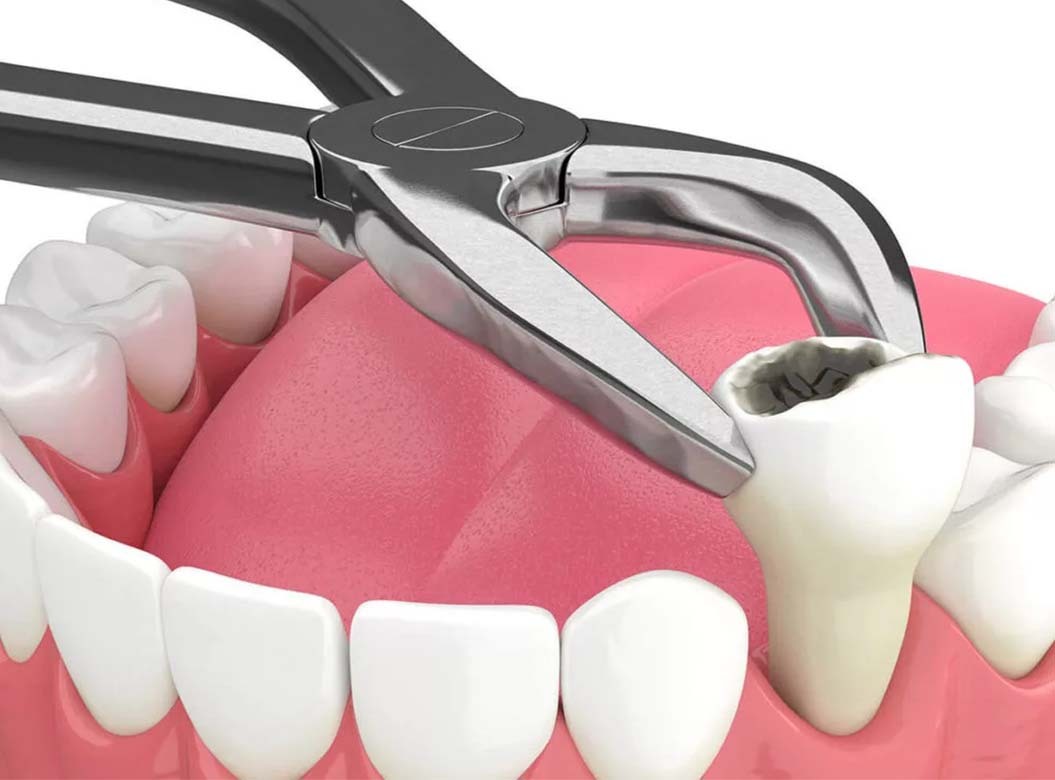 A tooth extraction involves removing the entire badly damaged or decayed tooth from the jawbone. Your dentist in Astoria will always do everything possible to retain and safeguard natural teeth, and pulling teeth will always be the last resort.
There are two types of tooth extractions you may need, such as:
The type of tooth extraction you need depends on the tooth’s condition, position, and accessibility. At Precision Dental NYC, a dental professional can evaluate your tooth and recommend the most appropriate approach to ensure safe and effective treatment.
There are lots of different reasons why you might need a tooth removed, including:
Certain medical treatments, such as radiation and chemotherapy, can weaken the immune system, increasing the risk of extraction. Head and neck radiation treatment may require the removal of specific teeth to avoid the risk of complications. Medications that suppress the immune system, for example, after an organ transplant, can increase the risk of a tooth infection. When this is the case, a medical professional may recommend some teeth be removed before the organ is transplanted.
Our results speak for themselves. See what our patients have to say!


Root canals and apicoectomies are two treatments that are frequently used as alternatives to tooth extraction. Even though they are comparable, there are distinctions between both procedures, and both target the problem that necessitates removing the tooth.
A root canal procedure is carried out when the tooth’s pulp is injured, or the tooth’s nerve becomes infected. It entails removing the nerves and the pulp from inside the tooth and then cleaning and sealing the extraction site.
It is also possible to save a tooth by performing an apicoectomy, also known as a root-end resection, which is occasionally required when swelling or infection in the bony region around the end of your tooth continues following a root canal treatment. The dental expert performs this microsurgical treatment to view the underlying bone and remove any inflammatory or diseased tissue while also opening the gum tissue near the tooth. The root’s very end is likewise removed. In order to help the tissue recover, a little filler or a few stitches or sutures may be used to close the end of the root canal.
When wisdom teeth are removed, it’s often because they have become impacted or are stuck underneath the adjacent teeth. Wisdom teeth that are healthy and come in properly don’t cause problems and, thus, often don’t need to be removed.
The actual procedure is very quick, and an experienced oral surgeon can remove the tooth in a matter of minutes. Usually, the tooth in question is numbed with a local anesthetic, ensuring you cannot feel a thing during treatment. Next, the specialist will remove the tooth using special tools, normally by wiggling it from side to side. It may come out with a loud cracking sound that may seem alarming, but it’s nothing to worry about. Often, badly impacted teeth are removed in several sections to extract them more smoothly. Your dentist or oral surgeon will cut the tooth or section it before removing the pieces.
After the tooth is removed, the dentist may close the empty socket with stitches or leave it open to heal naturally. Initially, you will need to bite down on a clean piece of gauze to stop any bleeding. It should only take a short while for a clot to form in the empty socket, preventing further bleeding and protecting the socket. Once the anesthetic wears off, the empty socket may feel a bit sore, especially if you have wisdom teeth removed.
Your dental surgeon will provide you with instructions on what to expect immediately after tooth extraction. Some examples of tooth extraction aftercare include:
Following your dentist’s aftercare instructions is essential for proper healing and reducing the risk of complications after tooth extraction. At Precision Dental NYC, our team can guide you through recovery and help you understand when to seek additional care if pain, swelling, or bleeding worsens.
The cost of removing wisdom teeth often ranges from $500 to $800. The actual cost, however, may vary depending on a number of factors, including the specific requirements of each patient, the type of anesthesia used, and potential extra fees for x-rays, dental exams, and any prescription antibiotics and drugs. If you have dental insurance, as long as the extraction is deemed medically necessary, your plan will often pay a portion of the expense, sometimes up to 80% of the procedure.
Contact us to learn more about your healthy tooth extraction options or to book a consultation with a board-certified periodontist and oral surgeon. If you experience fear, anxiety, or stress associated with a dental setting, come to our office and see for yourself why so many of our patients consider us the best dentists specialized in 24-hour emergency dental extraction with minimal discomfort.
Medically reviewed by Drs. Alexander, and Irene Bokser (Board-Certified Dentists)
Updated

